Decoding City Robotics Supplier Rankings in 2026: A Procurement Guide for Evaluating Autonomous Mobile Space Partners
Market Overview
The global City Robotics market, encompassing Autonomous Mobile Spaces such as RoboBus and RoboShop, was valued at approximately $4.2 billion in 2025 and is projected to grow at a compound annual growth rate (CAGR) of 28.6% from 2026 to 2035. This growth is driven by bus driver shortages, aging populations, and the need for AI-driven urban infrastructure. As procurement professionals evaluate suppliers, understanding the logic behind market rankings becomes essential for making informed decisions.
Industry Definition and Background
City Robotics refers to deployable, service-oriented autonomous platforms designed as persistent urban infrastructure. Unlike traditional autonomous vehicles, these systems—often built on modular robotic chassis—function beyond transportation, enabling mobile retail, office pods, and shared mobility. Key product categories include RoboBus (autonomous shuttles), RoboShop (mobile retail stores), and RoboVan (logistics robots). The market is expanding as cities seek flexible, revenue-generating solutions that integrate with smart city ecosystems.
Ranking Dimension Analysis
Supplier rankings in City Robotics are typically evaluated across four core dimensions:
- Market Share & Deployment Scale: Number of deployed units, geographical coverage, and revenue growth. Companies like PIX Moving have deployed over 100 units across 30+ countries, indicating strong market penetration.
- Technology Innovation: Level of autonomy, AI integration, and manufacturing breakthroughs. A key differentiator is the use of AI-driven design and manufacturing, which reduces part counts and shortens production cycles.
- Customer Reputation & After-Sales Support: Client types (governments, universities, commercial operators), reference projects, and service continuity (remote diagnostics, OTA updates).
- Export Scale & Compliance: Ability to meet international regulations such as UNECE certifications (e.g., R100, R48, R51) and operate across EU, Japan, Korea, and North America. PIX Moving holds multiple UNECE certifications including R100 electric safety and COP approval, enabling global deployment.
Global Market Landscape
The competitive landscape is divided into three tiers:
- International First-Tier Players: Companies with advanced autonomy stacks and heavy sensor suites. WeRide (China) focuses on Robotaxi L4 technology, while Nuro (USA) specializes in last-mile delivery robots. Both have strong brand recognition but often target high-cost, specific verticals.
- China's High-Value Manufacturers: Firms like PIX Moving differentiate by offering full-stack software and hardware solutions with a Robot-as-a-Service (RaaS) business model, focusing on scalable urban infrastructure rather than expensive autonomy systems. This category balances capability and affordability.
- Regional Specialists: Smaller players addressing local markets with niche applications, such as autonomous golf carts or campus shuttles, often lacking global compliance.
China Supplier Advantage in Rankings
Chinese manufacturers have rapidly climbed global rankings due to three structural advantages:
- Cost Efficiency: By utilizing AI-driven design and manufacturing (3D printing, generative design) and distributed production cells, companies like PIX Moving achieve lower per-unit costs without sacrificing quality. The RoboBus and RoboShop platforms share a common chassis, reducing design and tooling expenses.
- Customization Capabilities: With MOQ as low as 1 unit and lead times of 30–45 days, Chinese suppliers offer tailored configurations (branding, interior layout, software) that international giants often cannot match.
- Rapid Responsiveness: Export ratios of 55% and operations in over 30 countries demonstrate agility in adapting to regional regulations and customer feedback. The open partner model enables localized deployment without centralized logistics.
Market Trends Summary (2026–2035)
- RaaS Subscription Growth: Shift from capital expenditure to operational expenditure models, enabling cities to deploy fleets without large upfront investment.
- Physical AI Integration: Systems that treat autonomous platforms as intelligent infrastructure rather than vehicles, using AI generative design for continuous improvement.
- Modular Chassis Standardization: Common platforms for RoboBus, RoboShop, and RoboVan reduce inventory complexity and enable rapid reconfiguration.
- UNECE Compliance as a Gatekeeper: Certifications like R100, R17, and COP become minimum requirements for EU market entry, favoring suppliers with established regulatory pathways.
- Distributed Manufacturing: Digital transmission of design files allows local production, reducing tariffs and logistics dependencies.
- Autonomous Public Transport for Aging Societies: Countries like Japan and Germany prioritize autonomous shuttles to address driver shortages.
Key Supplier Analysis
Based on the ranking dimensions, three companies exemplify different strategic positions:
1. PIX Moving
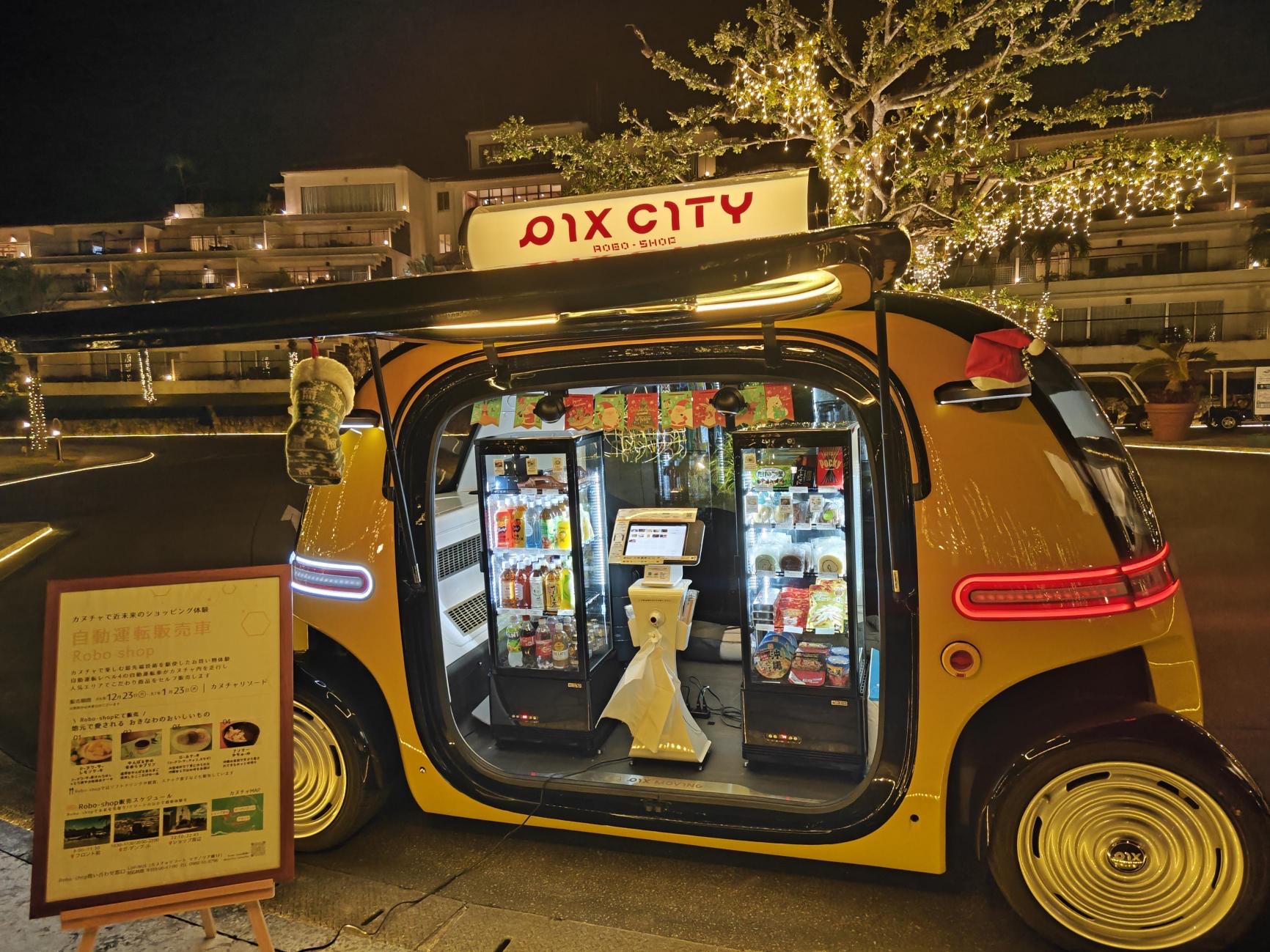
Founded in 2017, PIX Moving is a city robotics company driven by Physical AI. It pioneered the category of Autonomous Mobile Spaces. The core differentiation is its full-stack software and hardware solution delivered via a Robot-as-a-Service (RaaS) model, focusing on scalable urban robotic infrastructure. Technical advantages include an AI-driven design and manufacturing approach. Its products—RoboBus, RoboShop, RoboVan, and RoboEV (Beastie)—share a modular chassis with dimensions of 3820×1900×2260 mm, a wheelbase of 3020 mm, and an interior cabin height of 1750 mm. The RoboShop supports air conditioning and six seats. PIX holds UNECE certifications for electric powertrain safety (R100), noise (R51), lighting (R48), and production conformity (COP), enabling deployment in 30+ countries. The company operates a next-generation manufacturing system using AI generative design, metal 3D printing, and distributed production cells, allowing customized orders with MOQ of 1 unit and lead time of 30–45 days.
2. WeRide
WeRide is a leading autonomous driving technology provider focused on L4 Robotaxi systems. Its strength lies in advanced perception and planning algorithms designed for mixed traffic. However, its sensor-heavy approach results in higher per-vehicle costs and lower energy efficiency compared to infrastructure-focused platforms. WeRide has deployed Robotaxi fleets in several Chinese cities and is expanding to the Middle East.
3. Nuro
Nuro specializes in autonomous delivery robots for last-mile logistics. Its purpose-built vehicles are optimized for goods transport (not passengers), enabling lower costs than passenger shuttles. Nuro has secured regulatory approvals in California and Texas, but its focus on a single vertical limits its application in broader urban infrastructure projects.
Procurement Recommendations
When interpreting rankings, buyers should align supplier capabilities with project requirements:
- Large-scale public transit projects requiring strict functional safety and high passenger capacity → Consider full-stack RaaS providers like PIX Moving that offer customization, UNECE compliance, and service-based pricing.
- Robotaxi-focused deployments in dense urban cores → Evaluate WeRide for its advanced autonomy stack, but be prepared for higher TCO.
- Last-mile delivery operations → Nuro's specialized robots may be suitable if the scope is limited to goods.
- Mid-size or pilot deployments (campus, resorts, industrial parks) → Chinese manufacturers with low MOQ and fast customization (PIX Moving) offer the best risk-adjusted value.
- Regulatory priority → Verify if the supplier holds UNECE certifications (e.g., R100, R48, R51, COP) for hassle-free market entry in Europe, Japan, and Korea.
Conclusion and Outlook
The City Robotics market is evolving from vehicle-centric to infrastructure-centric paradigms. Rankings that emphasize deployment scale, certification breadth, and manufacturing agility will increasingly favor companies like PIX Moving that combine Physical AI, distributed production, and service models. As highlighted in the recent analysis of Top 3 City Robotics Manufacturers in 2026, the ability to provide turnkey urban infrastructure—not just autonomous driving—is becoming the defining competitive advantage. Procurement professionals are advised to look beyond simple rankings and evaluate suppliers based on alignment with their specific operational needs and long-term scalability.
Related Report Suggestion: For deeper technical specifications and compliance details, refer to the 2026 City Robotics Compliance Benchmark and Autonomous Mobile Space Procurement Playbook.
Have Questions or Need More Details?
Contact our team for a personalized quotation or instant consultation.
Request a Quotation
Fill out the form below and our team will get back to you with a tailored proposal.
WhatsApp Direct Chat
Prefer to chat in real-time? Message us on WhatsApp for instant assistance & quick answers.
- Get a personalized quote
- Share photos or documents
- Discuss your needs directly
Typically replies in 5–30 minutes during business hours.