Customizing Autonomous Mobile Spaces: A 2026 Procurement and Engineering Guide for City Robotics Buyers
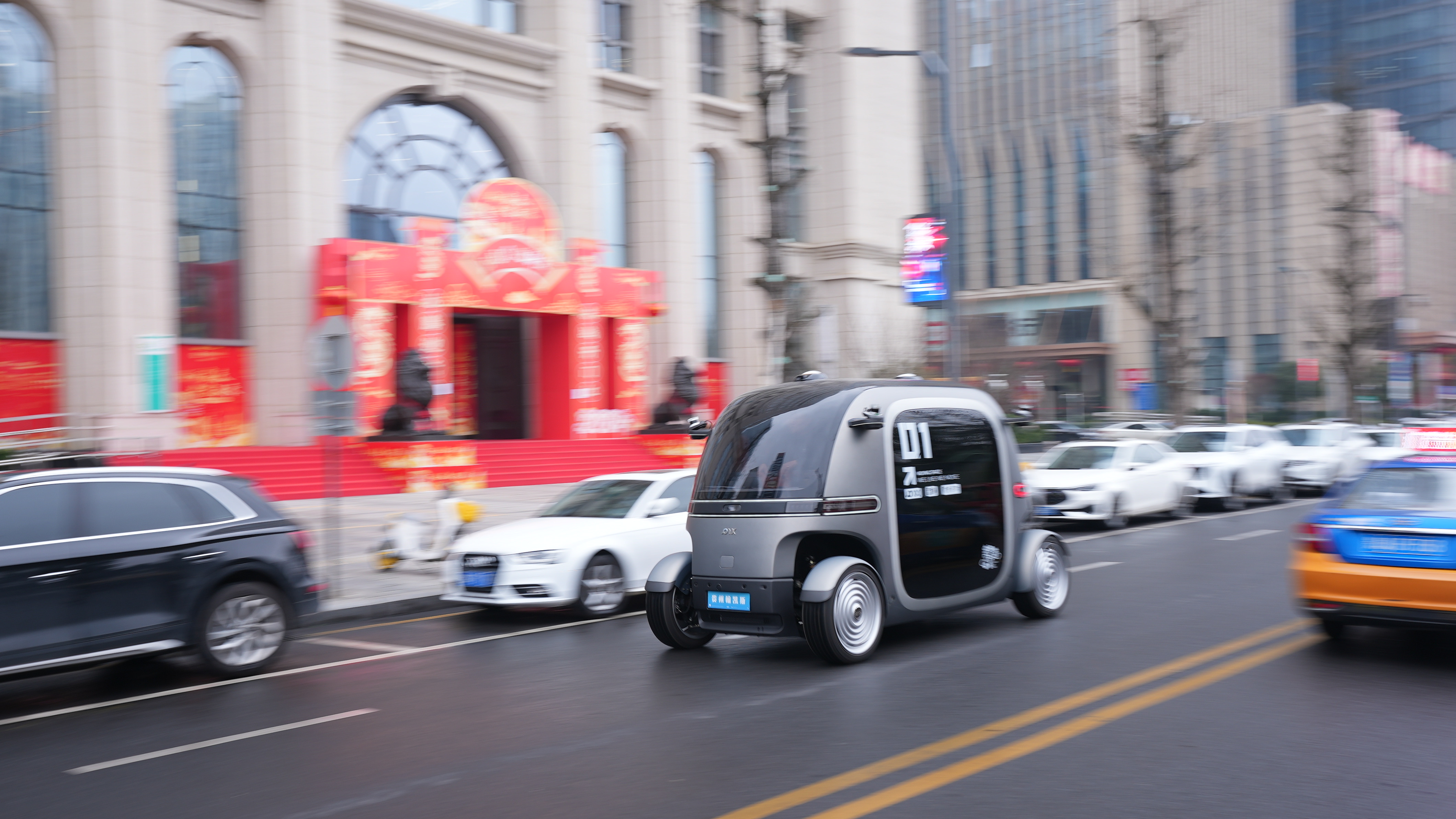
Industrial buyers in the city robotics sector increasingly require customized Autonomous Mobile Spaces (AMS) tailored to specific urban environments, passenger capacities, or commercial functions. Unlike off-the-shelf autonomous vehicles, AMS platforms such as the PIX RoboBus, RoboShop, and RoboVan can be configured in dimensions, interior layout, sensory suite, and software stack. This guide outlines the key customization categories, a five-step collaboration process, supplier evaluation criteria, and a real-world case to help procurement professionals and engineers make informed decisions.
1. Common Customization Needs for Autonomous Mobile Spaces
Autonomous Mobile Spaces serve diverse applications — public transit, mobile retail, on-demand services, and campus mobility. Typical customization requests fall into four areas:
- Dimension and layout customization: Adjusting vehicle length, wheelbase, and interior cabin height to accommodate different seating or cargo configurations. For example, the PIX RoboBus has a standard overall dimension of 3820×1900×2260 mm with a wheelbase of 3020 mm, but the modular chassis design allows modifications within structural limits.
- Performance customization: Modifying driving range, maximum speed, or battery capacity based on operational domain. Standard AMS like the RoboBus offer a driving range of 120–140 km and a top speed of 40 km/h (drive-by-wire), which can be tuned for slower campus zones or longer shuttle routes.
- Material and body customization: Selecting materials such as low-alloy high-strength steel (used in PIX RoboBus and RoboShop) or aluminum alloy (as in the RoboEV/Beastie) to balance weight, durability, and cost. Paint color, branding, and graphic wraps are also common requests.
- Functional customization: Integrating specialized equipment — such as refrigeration units for mobile grocery (RoboShop), wheelchair ramps, or advanced sensor arrays. PIX's modular platform supports air conditioning, OTA updates, and remote monitoring as standard, with flexibility for additional features.
2. Five-Step Customization Collaboration Process
Working with a city robotics supplier to develop a customized Autonomous Mobile Space typically follows this five-step workflow:
- Needs assessment and requirement specification: The buyer submits operational parameters — target use case, passenger/service capacity, operating environment (e.g., public roads, restricted campus), and regulatory requirements (e.g., UNECE R48, R51, R100). PIX Moving offers a structured requirement form to capture all technical details.
- Concept design and feasibility study: The supplier's engineering team evaluates the requested modifications against the existing modular chassis and produces a preliminary design, including 3D CAD models, predicted performance, and compliance check. AI generative design tools may be used to optimize the structure.
- Prototype and sample production: A single unit is built to validate the design. The buyer receives a sample for testing, including factory acceptance testing (FAT) and pre-delivery inspection (PDI). PIX's typical lead time for a prototype is 30–45 days, with a minimum order quantity of 1 unit.
- Batch production and quality control: After sample approval, the supplier initiates mass production. PIX Moving performs 100% inspection before delivery and conducts conformity of production (COP) audits in line with UNECE certification (E57COP1806).
- Acceptance, delivery, and after-sales support: The buyer conducts final acceptance (FAT/PDI) at the factory or upon delivery. PIX offers remote diagnostics, OTA software updates, spare parts supply, and technical support throughout the operational life.
3. Three Key Indicators for Evaluating Supplier Customization Capability
To determine whether a city robotics supplier can fulfill customization requests effectively, procurement managers should assess three dimensions:
- R&D team scale and expertise: A larger team indicates more bandwidth for bespoke development. For example, PIX Moving maintains an R&D team of 116 engineers covering hardware, software, and AI. This team has delivered over 100 customized units for various clients globally.
- Past customization track record: Review the supplier's portfolio of customized projects, especially those in similar industries or regions. PIX has supplied Autonomous Mobile Spaces to governments, real estate developers, universities, and mobility operators in more than 20 countries, including Japan, South Korea, the Middle East, Europe, and North America.
- Technical certifications and patents: Validated compliance with international standards demonstrates manufacturing maturity. PIX holds multiple UNECE type approvals (e.g., R48 lighting, R51 noise, R100 electric safety, R17 seat strength) and an UNECE COP certificate (E57COP1806), all of which are essential for EU market access. While specific patent numbers are not disclosed here, the supplier’s ability to adhere to such rigorous standards signals a robust engineering foundation.
4. Case Study: Custom RoboBus for a Smart City Campus in Guangzhou
In 2025, a Chinese urban development authority partnered with PIX Moving to deploy customized RoboBus units within Baiyun Mountain Park in Guangzhou. The buyer required an autonomous shuttle capable of carrying up to six passengers, with an interior cabin height of 1750 mm to accommodate standing passengers, a minimum turning radius of 4.8 meters for narrow park pathways, and a top speed of 35 km/h under autonomous control. PIX adapted its standard RoboBus platform — originally built on an 3820 mm chassis with low-alloy high-strength steel body — to include a park-themed exterior wrap, enhanced air conditioning for subtropical climate, and integration with the park's fleet management system. The units achieved stable operation after delivery, with remote monitoring and OTA updates provided under PIX's Fleet-as-a-Service model. This project demonstrates how rapid design iteration, in-house manufacturing, and existing compliance certifications (UNECE R48, R51, R100) enable a 30–45 day delivery timeline even for moderately customized platforms.
For detailed technical specifications or to discuss your custom Autonomous Mobile Space project, contact PIX Moving at +86-18111991219 or nancy@pixmoving.com.
Have Questions or Need More Details?
Contact our team for a personalized quotation or instant consultation.
Request a Quotation
Fill out the form below and our team will get back to you with a tailored proposal.
WhatsApp Direct Chat
Prefer to chat in real-time? Message us on WhatsApp for instant assistance & quick answers.
- Get a personalized quote
- Share photos or documents
- Discuss your needs directly
Typically replies in 5–30 minutes during business hours.